Posts

Showing posts with the label Credit Card

How to Safeguard Yourself from Credit Card Fraud: High-Risk Situations and Protective Measures

Image
  Carrying credit cards offers significant convenience over cash, especially with benefits like earning airline miles, points, or cash-back rewards. However, credit card usage also carries inherent risks. The Federal Trade Commission (FTC) reported over 101,000 cases of credit card theft or fraud in 2023, marking a 35% rise from 2021. To mitigate these risks, it’s crucial to understand and implement protective measures and remain vigilant, particularly in high-risk situations. Effective Strategies to Protect Yourself from Credit Card Fraud Your credit card is equipped with multiple security features to safeguard your information during transactions. Utilizing these tools and technologies, and regularly monitoring your accounts for any suspicious activity, is essential. 1. Set Up Fraud Alerts: Most credit card issuers offer fraud alerts, which notify you via email or text when suspicious charges occur. This feature enables you to act quickly if your information is compromised. 2. U...

How to Find the Best Credit Card Interest Rates: Tips for Excellent Credit

Image
Navigating the world of credit cards can be daunting with the myriad of options, special bonuses, and promotional rates available. Finding the best credit card interest rates is crucial, especially if you have outstanding debt. A lower interest rate can save you money and help you pay off your debt faster. This guide will help you understand how to secure the best rates and improve your financial health. Understanding the Importance of APR The annual percentage rate (APR) is a key factor when evaluating credit cards. It represents the yearly cost of borrowing money, including interest and fees, making it easier to compare different offers. In recent years, credit card APRs have risen significantly. In 2021, the average APR was 14.60%, but by August 2023, it had climbed to 21.19%. To illustrate the impact of APR, consider this example: If you have $1,000 in credit card debt with a minimum payment of 2.5% of your balance, at an APR of 14.60%, it would take 55 months to pay off the debt, ...

The Consequences of Not Paying Your Credit Card Bills and How to Avoid Financial Trouble

Image
  Credit cards are a convenient and secure way to handle expenses. They offer a variety of benefits, including building your credit score and providing rewards, as long as you pay your monthly bills on time and in full. However, falling behind on credit card payments can lead to serious financial consequences. Here’s a comprehensive guide on what happens if you stop paying your credit card bills and steps you can take to manage the situation. Financial Penalties for Missing Payments If you're financially strapped, you might find it challenging to make even the minimum payment on your credit cards. Here are the financial penalties you may face if you stop paying your credit card bills: 1. Interest Charges: When you don’t pay your credit card bill in full, interest charges are added to your unpaid balance. Additionally, future purchases will start accruing interest from the transaction date without any grace period until your balance is fully paid. 2. Late Fees: Missing your paymen...

The Ultimate Guide to Balance Transfer Credit Cards

Image
  Managing credit card debt can be challenging, especially with high interest rates compounding over time. A balance transfer credit card offers a solution by allowing you to transfer your existing credit card balance to a new card with a lower interest rate, often 0% for an introductory period. This guide explores the best balance transfer credit cards available, how they work, and how to choose the right one for your financial situation.   Understanding Balance Transfer Credit Cards   Balance transfer credit cards are designed to help consumers manage high-interest debt by transferring the balance from one or more existing credit cards to a new card with a lower interest rate. The primary benefit of these cards is the 0% introductory Annual Percentage Rate (APR) on balance transfers, which typically lasts between 12 to 21 months. This period allows cardholders to pay down their debt without accruing additional interest.   Key Features: 1. Introductory APR...

How can I pay off my credit card debt? Effective techniques and strategies.

Image
  In today's financial landscape, managing and paying off credit card debt is a crucial skill. The Federal Reserve Bank of New York recently reported that household debt reached a staggering $17.69 trillion in the first quarter of 2024. While mortgage balances and auto loans continue to climb, credit card balances saw a slight decline, typical for the first quarter, falling by $14 billion to $1.12 trillion. Despite this decline, nearly 9 percent of credit card balances transitioned into delinquency, highlighting the ongoing challenge many Americans face in managing their credit card debt.   Addressing credit card debt requires a combination of strategies and disciplined financial behavior. Here are seven effective techniques  How to pay off your credit card debt and regain financial stability.   1. The Avalanche Method for paying off Credit Card debt. The avalanche method focuses on paying off debts with the highest interest rates first. This strategy minimizes the ...

A Guide to Using Your Credit Card Wisely: Smart Strategies for Financial Success

Image
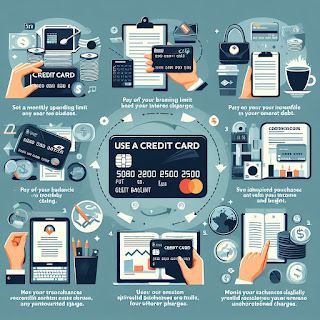
  Credit cards are a useful financial tool that provides convenience, safety, and rewards. However, if used irresponsibly, they can cause debt and financial stress. It is important to learn how to use your credit card wisely to maintain good financial health. This guide will highlight intelligent tactics for using your credit card responsibly. 1. Understand Your Credit Card Terms: It's important to take a moment to read and comprehend the terms and conditions associated with your credit card before using it. It's crucial to pay attention to factors such as interest rates, fees, grace periods, and rewards programs. Having a clear understanding of these details will enable you to make informed decisions and prevent any unexpected charges on your statement. 2. Create a Budget: Creating a budget is an essential step towards responsible use of your credit card. Start by calculating your monthly income and expenses, and then determine how much you can afford to spend on your credit c...